
Alternative Procedures are accredited by the Accreditation Council. The individual procedural steps are similar to those in program or system accreditation, but differ from these in some respects. Accreditation is divided into an assessment and an application procedure. The sequence of the procedural steps can be traced using the following interactive series of images. It can also be found in the handout on the accreditation of Alternative Procedures.
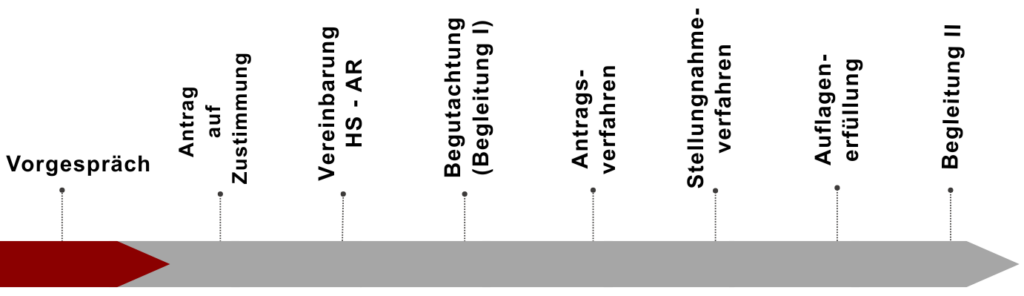
Before the application is submitted to the Accreditation Council, a consultation takes place between the higher education institution and the German Accreditation Council. The basis for the meeting is a previously submitted project outline from the higher education institution about its Alternative Procedures. The higher education institutions, the Foundation and, if applicable, the responsible state science authority take part in the meeting.
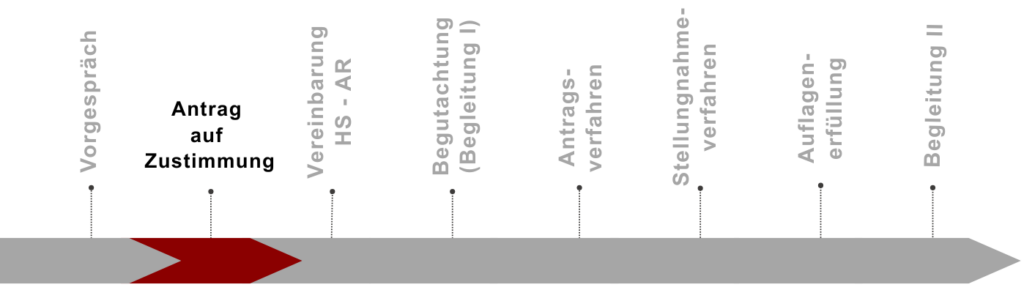
The application for approval of the Alternative Procedures should contain a clear description with a timetable and take into account important points such as the self-evaluation report, the participation of external experts, the involvement of university lecturers and the planned award of the accreditation seal. It should also outline how quality assurance will be ensured in accordance with the European Standards and Guidelines (ESG) and the relevant parts of the specimen decree. About the submission of the application by the higher education institution, the approval of the scientific authority is deemed to have been granted and the Accreditation Council then decides on the opening of the accreditation procedures. In the case of particularly complex accreditation procedures or an early start to implementation, an external assessment can also be carried out, which is usually based on the files.
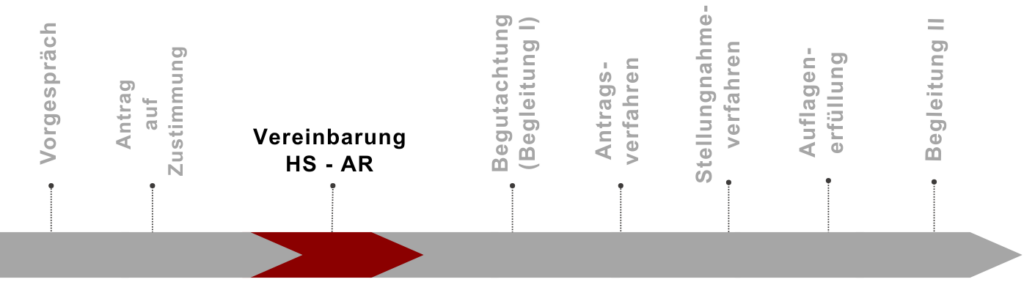
An agreement is then concluded between the higher education institution and the German Accreditation Council in which the accreditation of the Alternative Procedures is regulated. Among other things, the agreement regulates the rights and obligations of both sides, the type of support provided by the Accreditation Council and the amount of fees. The agreement also contains the most important points of the peer-review procedure, for example the size and composition of the expert group or the number of planned inspections.
The final version of the agreement is decided by the Accreditation Council.
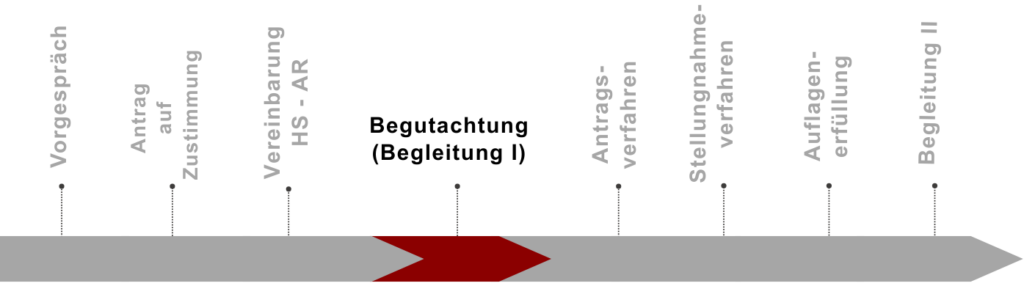
The higher education institution first prepares a self-evaluation report, which serves as the basis for the assessment and is reviewed by external experts from academia, practice and the student body. The accreditation procedures are usually carried out by the Accreditation Council, but can also be delegated to third parties in consultation with the higher education institution. The Head Office of the Accreditation Council prepares the expert group for their task in a video conference. As a rule, the assessment is carried out in two on-site visits, the scope of which is tailored to the respective Alternative Procedures. After the assessments, the peer review report is drawn up, agreed upon in a final meeting and submitted to the higher education institution. The higher education institution can submit a statement on the peer review report.
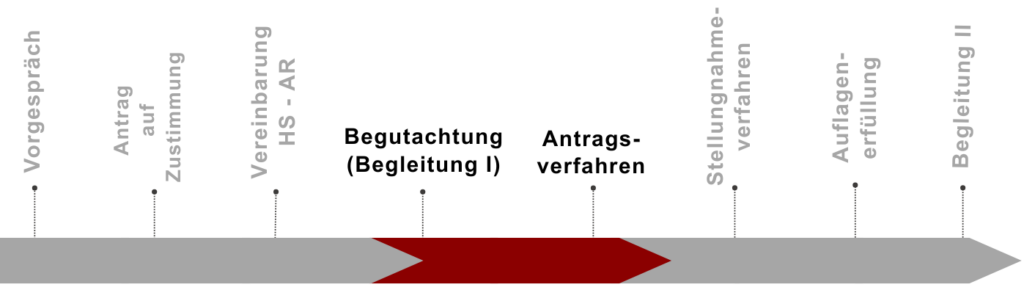
The Alternative Procedures are understood as an open dialog between higher education institutions and the Accreditation Council in Dialogue, in which both sides are in exchange and jointly contribute to the further development of the accreditation system. To this end, a monitoring body is appointed to observe the accreditation procedure of the Alternative Procedures, collect impressions and pass on its assessments to the Accreditation Council – without being part of the expert group itself or having the right to vote. Ideally, this monitoring begins in the early phase, for example at the preliminary meeting. At the end, the monitoring team summarizes its observations in a report, which is included in the Accreditation Council’s final decision.
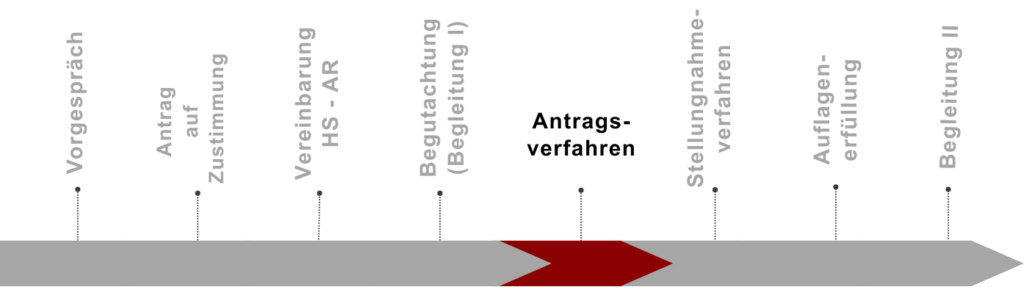
At the request of the higher education institution, the Accreditation Council examines whether the Alternative Procedures can ensure compliance with the criteria according to Parts 2 and 3 of the MRVO at study program level, i.e. whether the result is analogous to program or system accreditations. For this purpose, the self-evaluation report, the peer review report and, if applicable, a statement from the higher education institution and a statement from the scientific authority must be submitted; the Accreditation Council can also report. With a successful accreditation, the higher education institution receives the seal of the Foundation and thus the right to accredit its study programmes itself. Accreditation is valid for up to eight years, can be subject to conditions and, depending on the accreditation procedures, can also be structured as a trust accreditation with extended reporting by the higher education institution.
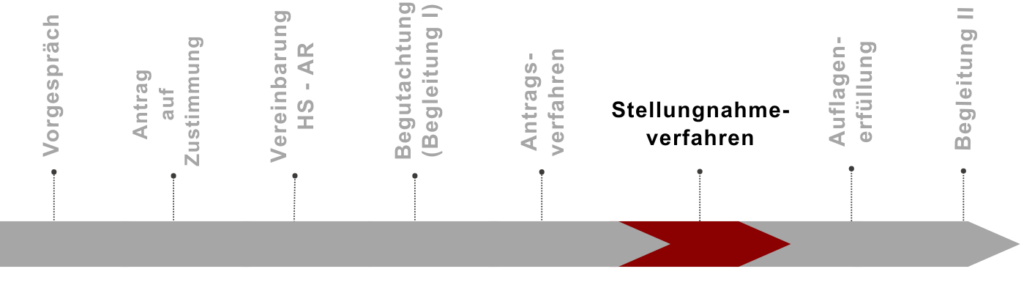
The Accreditation Council may deviate from the recommendations in the accreditation report. This applies in particular if the planned decision would be disadvantageous for the higher education institution submitting the application – for example through additional conditions or a rejection. In such a case, the higher education institution is first given the opportunity to comment on the provisional resolution
If the higher education institution accepts this offer, the Accreditation Council reviews the application for accreditation once again. The final decision on the accreditation of the Alternative Procedures and, if applicable, on conditions is then made taking into account the statements received.
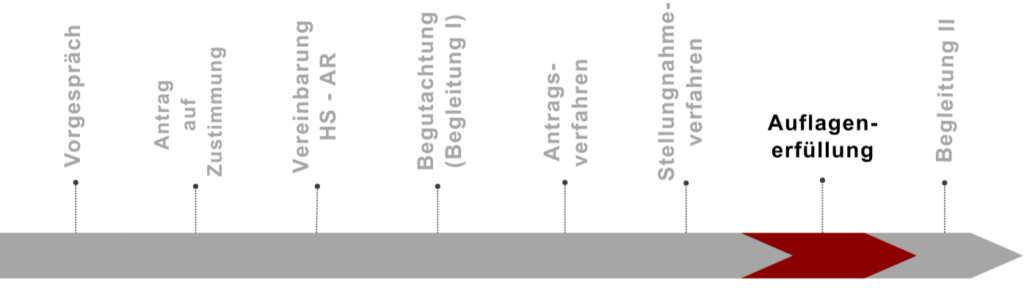
If conditions are imposed, the Accreditation Council asks the higher education institution to submit the relevant evidence within the specified deadline. The Accreditation Council then examines the documents and decides whether the conditions have been fulfilled. If this is not yet the case, the higher education institution is usually given an additional six months to rectify the conditions.
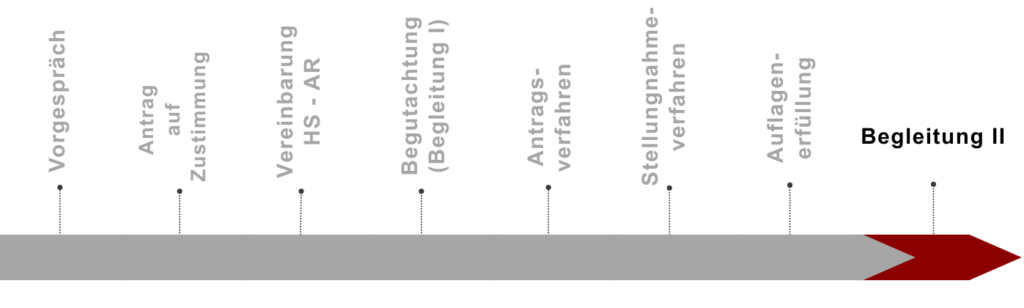
If an Alternative Procedures is accredited, the Accreditation Council accompanies it throughout its entire duration and can commission its own members, employees or external experts to do so. The monitoring ensures a close exchange between higher education institutions and the Accreditation Council, promotes transparency and contributes to gaining new insights into the external quality assurance of teaching and learning. Depending on the structure of the accreditation procedures, the monitoring team participates in selected steps – such as on-site appointments, online discussions or by inspecting documents – and coordinates these together with the higher education institution. At the end, an Accompanying Report is prepared and published.
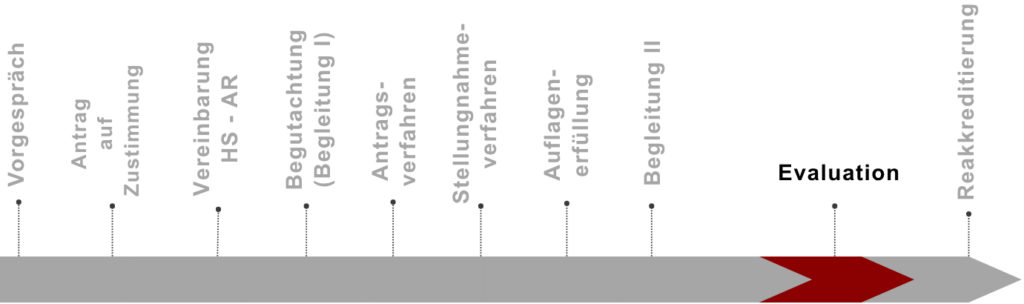
Alternative Procedures are reviewed by an independent, science-related institution two years before their accreditation expires. This evaluation can also be carried out by an accreditation agency. The Accreditation Council defines certain questions and quality objectives that can be supplemented by the higher education institution and then makes a recommendation on the continuation of the Alternative Procedures – however, the final decision on whether the procedure should undergo reaccreditation lies with the higher education institution.